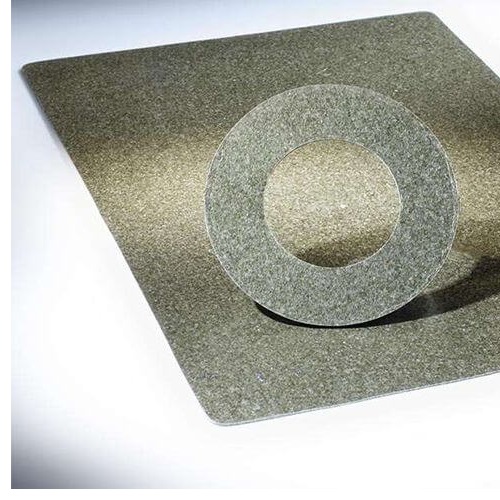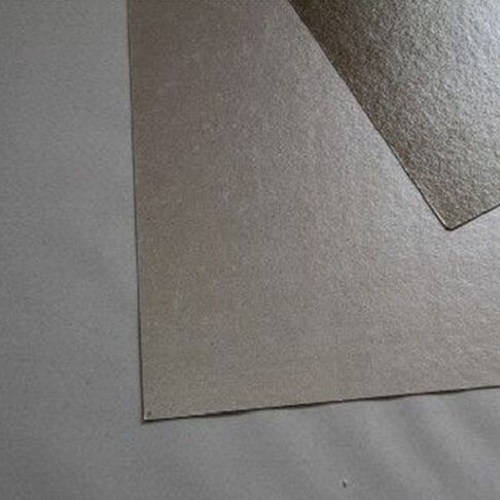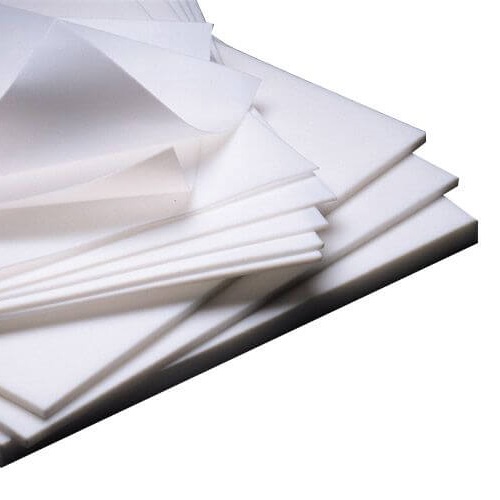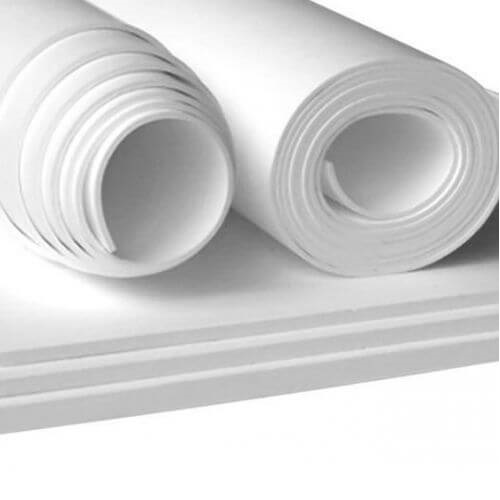
In high-temperature industrial environments, material selection directly affects safety, efficiency, and long-term operational stability. From petrochemical processing and power generation to heavy manufacturing and fluid control systems, sealing materials must withstand extreme heat, pressure, and chemically aggressive media without performance degradation. This is where the Non-asbestos Sheet has become a trusted solution across global industries.
At Ningbo Kaxite Sealing Materials Co., Ltd., we have spent decades refining material formulations and manufacturing processes to ensure our products meet demanding industrial requirements. Based on experience from our factory floor and real-world application feedback, our engineering team continuously optimizes material balance, thermal resistance, and mechanical stability. This article explains in depth what makes the Non-asbestos Sheet suitable for high-temperature industrial applications and why it has become a preferred choice for engineers and procurement specialists.
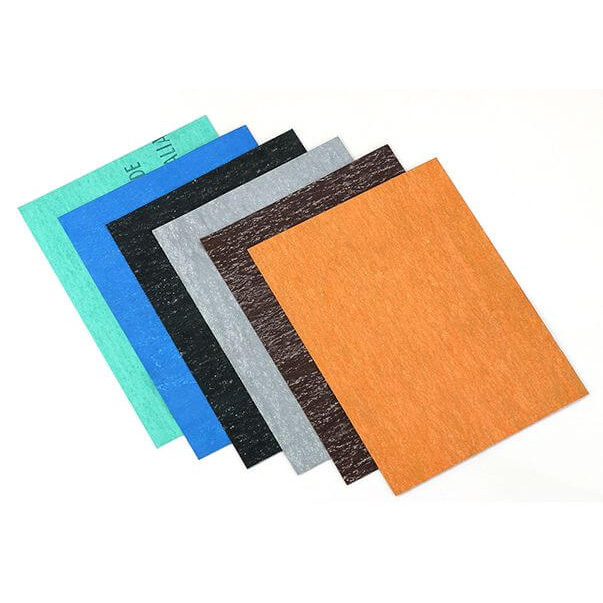
A Non-asbestos Sheet is an advanced sealing material specifically developed for industrial applications where high temperature, pressure, and chemical exposure are present. It is designed as a safe and efficient alternative to asbestos-based materials while maintaining comparable or superior performance in demanding environments. By combining high-strength fibers with heat-resistant binders, this material delivers reliable sealing performance without compromising safety or regulatory compliance.
At Ningbo Kaxite Sealing Materials Co., Ltd., we focus on practical performance rather than theoretical limits. Based on extensive application feedback and continuous optimization from our factory, our products are engineered to meet the real operating conditions encountered in industrial systems.
The performance of a Non-asbestos Sheet depends largely on its internal material structure. Each component is selected to perform a specific function under high-temperature conditions.
This multi-material composition allows the sheet to remain stable when exposed to continuous heat, thermal cycling, and pressure variations. Our factory carefully balances these materials to ensure consistent sealing behavior across different operating environments.
Manufacturing precision plays a decisive role in determining whether a Non-asbestos Sheet can perform reliably over long service periods. At Ningbo Kaxite Sealing Materials Co., Ltd., our factory follows a standardized yet flexible production workflow to control material uniformity and mechanical properties.
Each step is designed to minimize internal stress and prevent weak points that could lead to sealing failure under high-temperature operation. This manufacturing discipline ensures that our products maintain predictable performance once installed.
While exact specifications vary depending on grade and application, the following table outlines common technical parameters for industrial-grade products manufactured in our factory.
| Continuous Working Temperature | Up to 350 to 400 degrees Celsius |
| Maximum Operating Pressure | Up to 10 MPa in static sealing conditions |
| Density Range | 1.6 to 2.0 g per cubic centimeter |
| Compressibility | 7 to 12 percent |
| Recovery | Minimum 40 percent |
| Thickness Range | 0.5 mm to 6.0 mm |
These parameters reflect the balance between strength, flexibility, and thermal resistance that defines a high-quality Non-asbestos Sheet. By controlling these values during production, Ningbo Kaxite Sealing Materials Co., Ltd. ensures that our products perform consistently across different industrial applications. Through material science, controlled manufacturing, and real-world validation, the Non-asbestos Sheet becomes more than a substitute material. It is a purpose-built sealing solution engineered for long-term reliability in high-temperature industrial environments.
High-temperature industrial environments place extreme demands on sealing materials. Continuous heat exposure, pressure fluctuations, and aggressive media can quickly degrade poorly designed products. The reason a Non-asbestos Sheet performs reliably under such conditions lies in its engineered balance between thermal resistance, mechanical strength, and long-term dimensional stability. At Kaxite Sealing, we evaluate high-temperature performance not only through laboratory testing but also through long-term operational feedback. Our factory focuses on how materials behave after extended exposure to heat rather than short-term performance indicators.
Thermal stability is a primary factor that determines whether a sealing material can function effectively in high-temperature applications. A Non-asbestos Sheet is designed to maintain its internal structure when exposed to elevated temperatures for prolonged periods.
This structural stability ensures that the sheet retains its original shape and sealing pressure even after repeated heating cycles. Our factory testing confirms that properly formulated products maintain consistent compressibility and recovery values under continuous thermal stress.
Most industrial systems do not operate at a constant temperature. Equipment start-up, shutdown, and load changes cause frequent thermal cycling. During these cycles, materials expand and contract, placing stress on sealing interfaces.
A Non-asbestos Sheet is engineered to absorb these movements without cracking or losing sealing force. This capability comes from the interaction between fibers and elastomeric binders, which allows controlled deformation and recovery.
Our factory evaluates these characteristics through repeated heating and cooling simulations, ensuring that our products remain reliable in real industrial environments.
High-temperature applications often involve elevated pressure, making mechanical strength equally important. A Non-asbestos Sheet must resist extrusion, creep, and compression loss while exposed to both heat and pressure.
At Ningbo Kaxite Sealing Materials Co., Ltd., our factory optimizes fiber reinforcement and binder distribution to enhance load-bearing capacity. This results in a material that maintains sealing integrity even when pressure levels fluctuate.
By balancing mechanical strength with flexibility, the material avoids becoming brittle at high temperatures. This balance is essential for long-term service life and reduced maintenance requirements.
Even the best material formulation can fail if manufacturing consistency is not maintained. Variations in thickness, density, or curing conditions can create weak points that compromise high-temperature performance. Our factory places strong emphasis on process control, ensuring that every Non-asbestos Sheet meets defined physical and thermal parameters. Consistent manufacturing allows predictable behavior once the material is installed in high-temperature systems. This combination of material design, mechanical strength, and controlled production explains why Non-asbestos Sheets are trusted in demanding industrial applications where reliability under heat is non-negotiable.
The ability of a Non-asbestos Sheet to perform reliably in high-temperature industrial environments is fundamentally determined by its material properties. Thermal resistance alone is not sufficient. Long-term performance depends on how thermal stability, mechanical strength, compressibility, and recovery interact under continuous load and fluctuating operating conditions.
At Ningbo Kaxite Sealing Materials Co., Ltd., our approach focuses on material balance rather than extreme single-parameter optimization. Based on manufacturing experience from our factory and application feedback, we design materials that remain stable throughout their service life instead of performing well only under laboratory conditions.
Thermal resistance defines how well a sealing material maintains its structure when exposed to elevated temperatures over time. In a Non-asbestos Sheet, thermal stability is achieved through the careful selection of heat-resistant fibers and fillers that do not degrade, melt, or lose strength under continuous heat exposure.
This combination prevents hardening, embrittlement, or internal cracking, which are common failure modes in inferior sealing materials. Our factory conducts extended heat aging tests to verify that our products maintain consistent physical properties after prolonged exposure to high temperatures.
In high-temperature systems, flange surfaces expand, contract, and shift during operation. A Non-asbestos Sheet must be able to conform to these movements while maintaining sufficient contact pressure to prevent leakage.
Compressibility allows the material to adapt to surface irregularities during installation, while recovery ensures that the sealing force is maintained when thermal cycling occurs. If either property is insufficient, sealing performance deteriorates rapidly.
At Ningbo Kaxite Sealing Materials Co., Ltd., our factory adjusts formulation ratios to ensure these properties remain stable even after repeated heating and cooling cycles.
High-temperature environments are often accompanied by elevated pressure. Mechanical strength determines whether a Non-asbestos Sheet can resist creep, tearing, and blowout under combined thermal and mechanical stress.
Fiber reinforcement plays a central role in enhancing load-bearing capacity. Proper fiber orientation and binder distribution ensure that stress is evenly distributed across the sealing surface.
Our factory validates these characteristics through compression resistance and pressure simulation tests, ensuring predictable performance in static sealing applications.
Technical parameters provide a measurable way to evaluate whether a Non-asbestos Sheet is suitable for high-temperature use. The following table outlines representative values achieved through controlled production and testing in our factory.
| Maximum Continuous Temperature | 350 to 400 degrees Celsius |
| Short-Term Peak Temperature | Up to 450 degrees Celsius |
| Maximum Working Pressure | Up to 10 MPa |
| Compressibility | 7 to 12 percent |
| Recovery | 40 percent or higher |
| Creep Relaxation | Low under sustained thermal load |
These values illustrate how material properties translate directly into operational reliability. By maintaining strict control over these parameters, Ningbo Kaxite Sealing Materials Co., Ltd. ensures that our products deliver consistent sealing performance in high-temperature industrial systems.
Ultimately, it is the interaction between thermal resistance, mechanical strength, and elastic behavior that defines whether a Non-asbestos Sheet can withstand demanding conditions over time. When these properties are properly balanced, long-term stability becomes a predictable outcome rather than a variable risk.
The suitability of a Non-asbestos Sheet for high-temperature industrial applications becomes most evident when examined through real operational environments. Industries that operate under continuous heat, pressure, and chemical exposure require sealing materials that deliver stable performance over long service cycles. In these sectors, material reliability is not optional but essential for safety, efficiency, and cost control.
Based on application data and long-term customer feedback, Ningbo Kaxite Sealing Materials Co., Ltd. has identified several key industries where this sealing solution provides significant performance and operational advantages. Our factory works closely with equipment manufacturers and end users to ensure proper material selection for each application scenario.
Petrochemical and chemical processing facilities operate under some of the most demanding conditions, including high temperatures, corrosive media, and fluctuating pressures. Sealing materials in these environments must maintain integrity while exposed to steam, hydrocarbons, solvents, and chemical vapors.
A Non-asbestos Sheet performs reliably in these applications due to its thermal stability and chemical compatibility. Our factory tailors material formulations to balance heat resistance with media tolerance, reducing leakage risks and unplanned shutdowns in critical processing systems.
Power generation equipment operates under continuous high temperatures and pressure, particularly in boilers, turbines, and steam distribution systems. Sealing failures in these systems can result in energy loss, safety hazards, and costly maintenance downtime.
In these environments, a Non-asbestos Sheet provides stable sealing performance through:
Ningbo Kaxite Sealing Materials Co., Ltd. supplies sealing materials that are tested in conditions representative of real power plant operations. Our factory focuses on long-term reliability rather than short-term performance indicators.
Marine and shipbuilding environments introduce additional challenges, including vibration, confined installation spaces, and mixed media exposure. High-temperature systems such as engine exhaust lines, fuel handling systems, and onboard steam circuits require sealing materials that remain effective under combined thermal and mechanical stress.
The flexibility and recovery characteristics of a Non-asbestos Sheet allow it to maintain sealing performance despite vibration and movement. Our factory designs materials that meet marine industry expectations for durability and safety compliance.
Beyond heavy industries, many general industrial systems operate at elevated temperatures and pressures. These include compressors, heat exchangers, industrial ovens, and fluid handling systems. In such applications, sealing reliability directly affects productivity and maintenance costs.
A Non-asbestos Sheet offers practical advantages for equipment manufacturers and maintenance teams:
At Ningbo Kaxite Sealing Materials Co., Ltd., our factory supports both standard and customized sheet specifications to match different equipment designs. This adaptability makes the material suitable for a wide range of industrial applications without compromising performance. Across these industries, the common requirement is long-term stability under heat and pressure. When properly selected and installed, a Non-asbestos Sheet becomes a dependable sealing solution that supports safe operation, regulatory compliance, and cost-effective maintenance.
Understanding what makes Non-asbestos Sheets suitable for high-temperature industrial applications requires looking beyond basic specifications. It involves material science, manufacturing control, and real-world performance validation. At Ningbo Kaxite Sealing Materials Co., Ltd., our factory-driven approach ensures that every product balances thermal resistance, mechanical stability, and long-term reliability.
For industries seeking safer and more efficient sealing solutions, our experience and technical expertise provide dependable support. Choosing the right Non-asbestos Sheet is an investment in operational safety, efficiency, and durability. If you are evaluating sealing materials for demanding thermal environments, contact our team today to discuss specifications, samples, and customized solutions. Our factory is ready to support your project from selection to long-term application success.
It combines heat-resistant fibers with stable elastomer binders, allowing it to maintain sealing integrity and mechanical strength during prolonged exposure to elevated temperatures.
It offers comparable thermal and pressure resistance while eliminating health risks, making it compliant with modern safety and environmental regulations.
Yes, balanced compressibility and recovery enable the material to adapt to expansion and contraction without losing sealing performance.
They are widely used in petrochemical, power generation, marine, and heavy manufacturing industries where high-temperature sealing reliability is critical.
Controlled formulation, density consistency, and curing processes directly influence thermal stability and long-term sealing reliability.