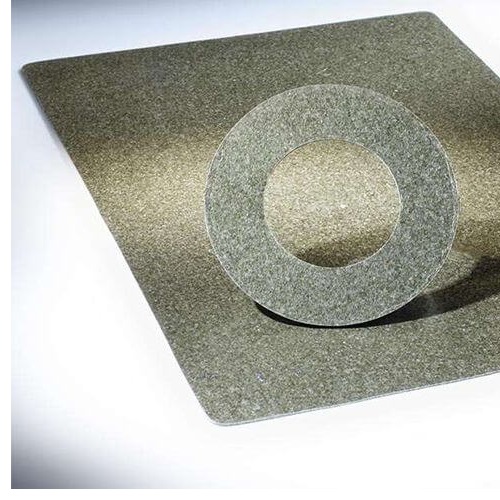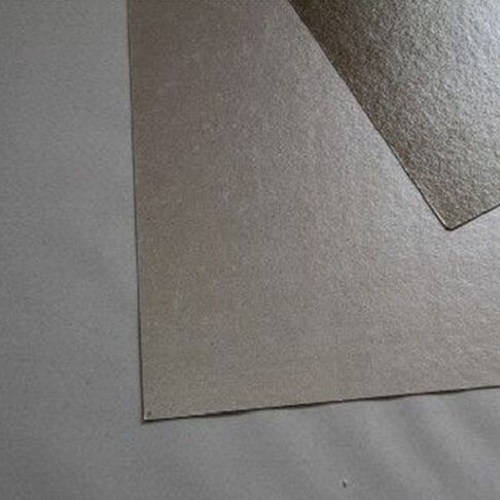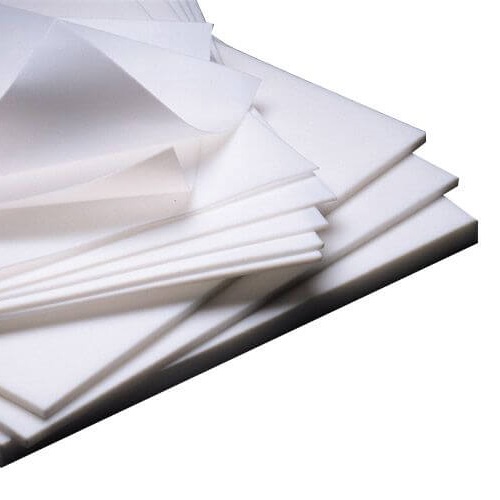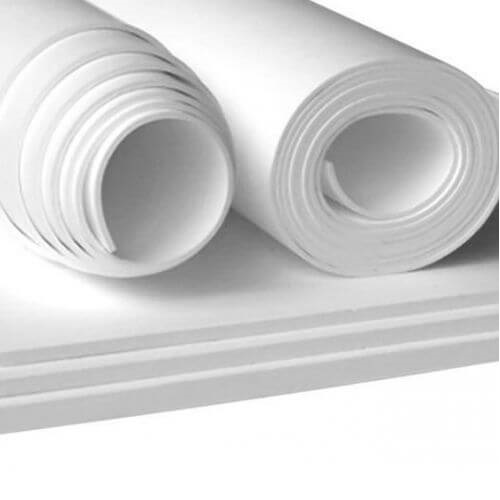
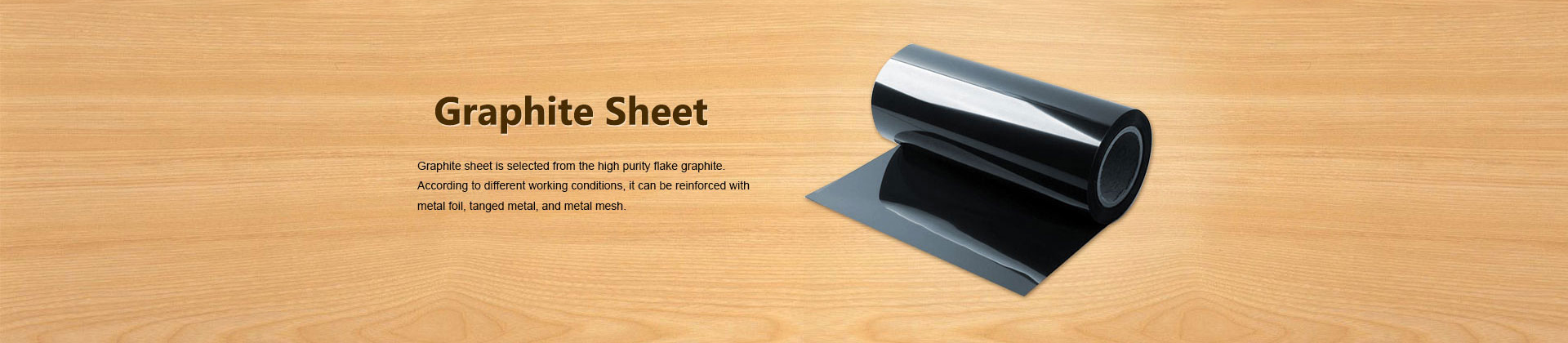
Selecting the correct sealing material can determine whether your industrial equipment runs reliably for years or fails catastrophically within weeks. When engineers face the decision between flexible graphite sheet and reinforced graphite sheet, they must evaluate pressure, temperature, media compatibility, and mechanical stress. Flexible graphite offers exceptional conformability and thermal stability, while reinforced variants add tensile strength and burst resistance. In our two decades of manufacturing experience at Ningbo Kaxite Sealing Materials Co., Ltd, we have seen how a wrong selection leads to flange leaks, costly downtime, and safety hazards. This comprehensive guide walks you through every technical parameter, real world application, and decision factor so you can confidently choose the right Graphite Sheet for your industrial environment.
Our factory has produced over 5000 tons of graphite sealing materials, serving oil refineries, chemical plants, and power generation facilities globally. We have observed that most specification errors come from misunderstanding the mechanical limits of unreinforced sheets or over specifying reinforced versions for static applications. By the end of this article, you will know exactly how to select flexible vs. reinforced graphite sheet for industrial use based on bolt load, flange surface condition, fluid type, and thermal cycling. We will also share critical data tables and FAQ sections that follow Google AI Overview standards, ensuring you get actionable answers immediately.
To make an informed decision, you must first understand the internal structure and manufacturing process of each Graphite Sheet type. Flexible graphite sheet is produced from exfoliated graphite flakes that are compressed without any binder or carrier. This creates a highly compressible, resilient material with excellent thermal conductivity and chemical resistance. In our factory, we produce flexible graphite sheets with 98% to 99.5% carbon content, achieving densities from 0.7 g/cm³ to 1.2 g/cm³. The absence of reinforcement allows the material to flow into microscopic flange irregularities under low bolt load, making it ideal for aged or damaged flanges.
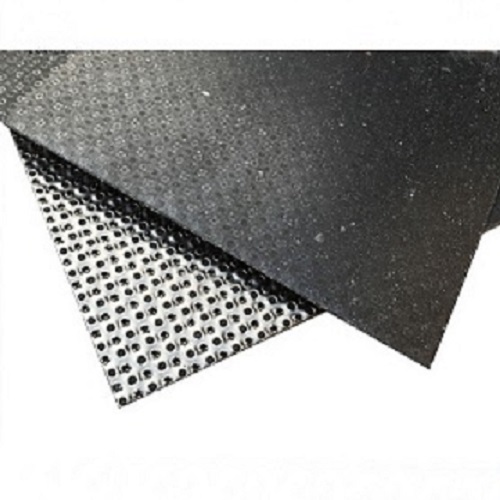
Reinforced graphite sheet, on the other hand, incorporates a metallic or fiber core. Common reinforcements include 0.05mm to 0.2mm stainless steel 304, 316, or carbon steel tanged or punched foil, plus fiberglass or carbon fiber mesh. At Ningbo Kaxite Sealing Materials Co., Ltd, our reinforced Graphite Sheet combines a high purity graphite layer with a 316L stainless steel insert. This design increases tensile strength from 4 MPa (flexible) to over 30 MPa, while maintaining creep relaxation below 15%. The reinforcement prevents extrusion under high internal pressure and resists blow out during rapid pressure surges.
Key differences affecting selection:
Our factory routinely tests both variants under ASTM F36 and DIN 3535 standards. For applications involving oxidizing acids or strong oxidizers, we recommend verifying graphite purity because impurities catalyze oxidation. Flexible graphite sheet typically has lower ash content (under 0.5%) than some reinforced versions where the adhesive layer may degrade. Always request mill certificates and lot traceability. Understanding these structural differences directly answers how to select flexible vs. reinforced graphite sheet for industrial use: choose flexible when flange condition is poor and bolt load limited; choose reinforced when pressure exceeds 100 bar or vibration exists.
Selecting the wrong Graphite Sheet often results from focusing only on temperature rating while ignoring mechanical properties. Below is the detailed parameter table used by our engineering team at Kaxite. We strongly recommend matching each parameter against your service conditions.
| Parameter | Flexible Graphite Sheet (unreinforced) | Reinforced Graphite Sheet (316SS or fiber) |
| Density range | 0.7 – 1.2 g/cm³ (typical 1.0 g/cm³) | 1.0 – 1.5 g/cm³ (core dependent) |
| Carbon content | 98% – 99.8% | 95% – 99% (graphite layers) |
| Compressibility (ASTM F36) | 40 – 50% | 25 – 35% |
| Recovery (ASTM F36) | 15 – 25% | 10 – 18% |
| Tensile strength (ASTM F152) | 4 – 6 MPa (perpendicular) | 25 – 45 MPa (with metal core) |
| Creep relaxation (ASTM F38) | < 25% | < 15% (improved stability) |
| Maximum operating pressure | 100 bar (gasket stress dependent) | 250 bar (with proper flange) |
| Temperature range (inert) | -240°C to +500°C | -200°C to +550°C (metal core) |
| Temperature range (oxidizing) | Up to 450°C intermittent | Up to 450°C with caution |
| Leakage rate (helium, 40 bar) | < 0.1 mg/m·s | < 0.3 mg/m·s (higher bolt load needed) |
Beyond the table, consider these critical evaluation steps in how to select flexible vs. reinforced graphite sheet for industrial use:
We always advise customers to simulate the worst case condition: pressure spikes, thermal cycles, and flange movement. If the Graphite Sheet must survive frequent start stop cycles, reinforced sheet’s higher tensile strength prevents splitting. Conversely, for steam service with corroded flanges, flexible graphite’s conformability is irreplaceable. Document every parameter, and if uncertain, request a sample test from our factory.
In demanding industrial environments such as heat exchangers, turbo expanders, and high pressure steam lines, unreinforced flexible graphite can extrude or blow out. Reinforced graphite sheet solves two major failure modes: extrusion into flange gap and loss of bolt load due to creep. The metallic core acts as a barrier against lateral flow, while the graphite layers maintain sealing contact. At Kaxite, we produce reinforced Graphite Sheet with a 0.1mm 316L tanged stainless steel insert that increases burst pressure by 300% compared to flexible grades.
Let’s examine specific scenarios where reinforced is mandatory:
Our factory conducts independent tests: a 3mm thick reinforced Graphite Sheet subjected to 200 bar nitrogen at 350°C shows less than 0.05% mass loss after 100 thermal cycles. The same flexible sheet leaked at cycle 35. However, reinforced sheets have a drawback: they require higher minimum gasket stress (around 40 MPa) to deform the metal core and conform to flange imperfections. If your flange cannot provide that stress due to weak bolts or thin flanges, reinforced will not seal properly. Therefore when considering how to select flexible vs. reinforced graphite sheet for industrial use, always calculate available bolt stress first. For flanges with sufficient strength and harsh cycling, reinforced is the only reliable choice.
Despite the advantages of reinforcement, flexible graphite sheet remains the preferred choice for thousands of industrial applications. Its unmatched conformability allows it to seal flanges that are pitted, scratched, or warped. Our factory has supplied flexible Graphite Sheet to chemical plants where flange surfaces have been damaged by years of aggressive service. In those cases, a 1.5mm thick flexible graphite gasket achieved helium tightness with only 25 MPa gasket stress, while a reinforced sheet would have required flange resurfacing.
Opt for flexible graphite sheet when:
From our manufacturing data, flexible graphite sheet also offers better corrosion resistance in chloride environments because there is no metal core to suffer pitting. In one case, a customer using seawater cooling tried reinforced sheet with 316 core; after six months, crevice corrosion attacked the core edge, causing leakage. Switching to pure flexible graphite sheet solved the issue. However, watch for extrusion: if flange clearance exceeds 0.5mm or pressure rises above 100 bar, flexible graphite will extrude. In such cases, use flexible sheet with an inner compression limiter or switch to reinforced grade. The key to mastering how to select flexible vs. reinforced graphite sheet for industrial use is recognizing that flexible is not inferior, it is specialized for low stress, damaged flange, and corrosive media conditions. Our factory always stocks both types because each has a unique place in maintenance inventory.
Direct side by side comparison under identical test conditions reveals the real engineering limits. Below we summarize application specific data based on our factory’s quality control records and field feedback from Ningbo Kaxite Sealing Materials Co., Ltd customers.
| Application / Condition | Flexible Graphite Sheet | Reinforced Graphite Sheet (316SS) |
| Saturated steam, 200°C, 15 bar | Excellent, 5+ years life | Excellent, but verify core bonding |
| Superheated steam, 450°C, 60 bar | Marginal, creep after 1 year | Recommended, low creep |
| Hydrocarbon gas, 100 bar, 100°C | Not recommended (extrusion risk) | Optimal, high burst resistance |
| Concentrated sulfuric acid 98%, 50°C | Good if purity >99% carbon | Avoid (metal core corrodes) |
| Flange with pitting corrosion (Ra 6.3) | Ideal sealing | Poor, requires filler paste |
| High vacuum (10^-5 mbar) | Very good, low outgassing | Good, but potential core leakage path |
| Oxygen service (non oil) | Special inhibited grade only | Not typical, risk of core ignition |
To further refine your selection, run these three comparison steps:
Our factory has developed a proprietary software tool that correlates these parameters, but manually, the rule of thumb is: flexible for forgiving conditions, reinforced for unforgiving conditions. When learning how to select flexible vs. reinforced graphite sheet for industrial use, remember that no single material fits all. The correct choice balances initial cost, installation complexity, and long term reliability. For standard water, air, low pressure steam up to 40 bar, flexible graphite sheet is the most economical. For aggressive gases, thermal shocks, and pressures exceeding 100 bar, reinforced Graphite Sheet from our factory provides safety margin and regulatory compliance.
After reviewing structural differences, parameter tables, and application case studies, the decision framework for how to select flexible vs. reinforced graphite sheet for industrial use becomes clear. Start by identifying your maximum operating pressure and flange surface condition. If pressure is under 100 bar and flange finish is rough or bolt load limited, flexible graphite sheet is your solution. If pressure exceeds 150 bar, or if thermal cycling and vibration are present, reinforced graphite sheet with a 316L stainless steel core is mandatory. In intermediate ranges (80 to 150 bar), consider the consequences of failure. For toxic or flammable media, always choose reinforced for added burst resistance.
Our factory, Ningbo Kaxite Sealing Materials Co., Ltd, recommends these best practices:
We have supplied flexible and reinforced graphite sheets to over 2000 industrial clients. Our technical team provides free selection consultation based on your process data. Remember that a correctly selected Graphite Sheet reduces total cost of ownership by preventing unplanned shutdowns. If you still need assistance, we invite you to contact our engineering department directly for a recommendation based on your exact flange dimensions and media.
Question 1: Can I use flexible graphite sheet for superheated steam service above 400°C and 40 bar?
Answer: No, flexible graphite sheet is not recommended for superheated steam above 400°C and 40 bar because the combination of high temperature and pressure accelerates creep relaxation and oxidation. The material loses its resilience, and the gasket stress drops below sealing threshold after thermal cycles. For superheated steam above 400°C, our factory recommends reinforced graphite sheet with 316L stainless steel core, which provides mechanical integrity and resists blowout. If steam temperature exceeds 500°C in inert atmosphere, both materials degrade; consider mica based or ceramic alternatives.
Question 2: How does the presence of chlorine or chlorides affect my choice between flexible and reinforced graphite sheet?
Answer: In chloride rich environments such as seawater cooling, marine exhaust, or hydrochloric acid vapor, reinforced graphite sheet with a stainless steel core suffers from pitting corrosion and crevice corrosion at the core edge. This leads to delamination and leakage within months. Flexible graphite sheet without any metal reinforcement is completely immune to chlorides, provided the graphite purity is above 98% and no halogens are added as binders. Therefore for chloride service, always select pure flexible graphite sheet from our factory.
Question 3: What is the maximum pressure rating for reinforced graphite sheet in gas service at 200°C?
Answer: Reinforced graphite sheet with 0.1mm 316L tanged stainless steel insert can safely handle up to 250 bar internal pressure in gas service at 200°C, provided the flange design follows ASME B16.5 with minimum gasket seating stress of 45 MPa. However, the actual pressure limit depends on flange rigidity, bolt spacing, and gasket width. Our factory has validated reinforced graphite sheet up to 300 bar in controlled tests using 8 mm thick gaskets. For safety, always apply a design factor of 1.5. Do not exceed 100 bar for flexible graphite in gas service to avoid extrusion.
Question 4: How do I know if my flange provides enough bolt load to seal reinforced graphite sheet properly?
Answer: Calculate total bolt load using bolt torque values and number of bolts, then divide by the gasket contact area. For reinforced graphite sheet, the required minimum gasket stress is 40 MPa. If your calculation yields less than 35 MPa, reinforced sheet will not compress sufficiently to fill flange imperfections, and leakage will occur. In that case, switch to flexible graphite sheet which seals at 20 MPa. Alternatively, upgrade bolts or use hydraulic tensioning. Our factory provides a free bolt load calculation template upon request.
Question 5: Can reinforced graphite sheet be used in oxygen enriched atmospheres or liquid oxygen service?
Answer: No, standard reinforced graphite sheet with metallic core is strictly prohibited in oxygen enriched atmospheres or liquid oxygen due to ignition risk. The metal core can generate sparks upon impact, and graphite burns once ignited. For oxygen service, you must use a special oxygen cleaned, non reactive flexible graphite sheet without any metal reinforcement, and with very low leachable chloride and hydrocarbon content. Our factory offers oxygen service grade flexible graphite sheet that complies with ASTM G114 and BAM testing. Never use reinforced versions in oxygen.
Ready to select the perfect graphite sheet for your industrial application? Contact Ningbo Kaxite Sealing Materials Co., Ltd today. Our engineering team provides same day quotations, free material sampling, and custom die cutting for flexible and reinforced graphite sheets. Send us your flange dimensions, temperature, pressure, and fluid type. We guarantee a solution that reduces leaks and extends maintenance intervals. Email us or call our technical hotline for expert assistance. Trust our factory direct quality and 20 years of sealing innovation.
Ningbo Kaxite Sealing Materials Co., Ltd – Your reliable partner in graphite sealing technology.