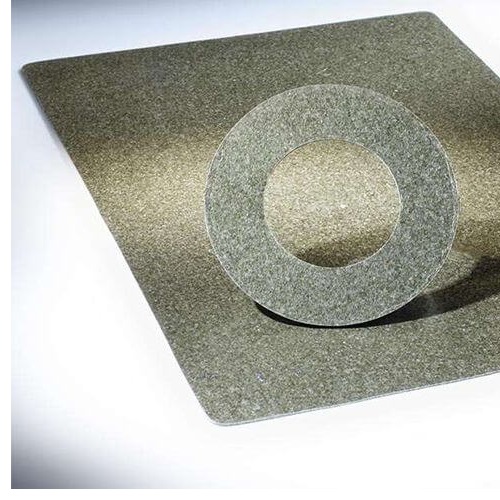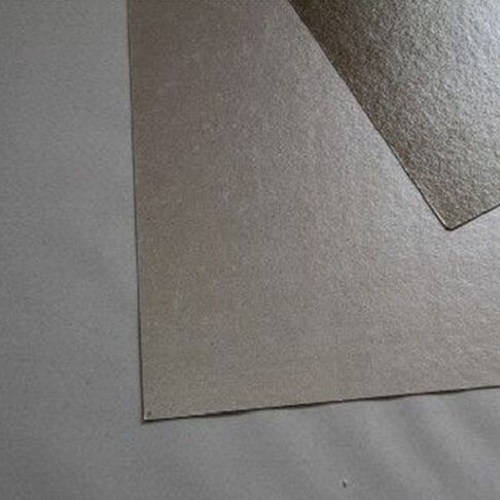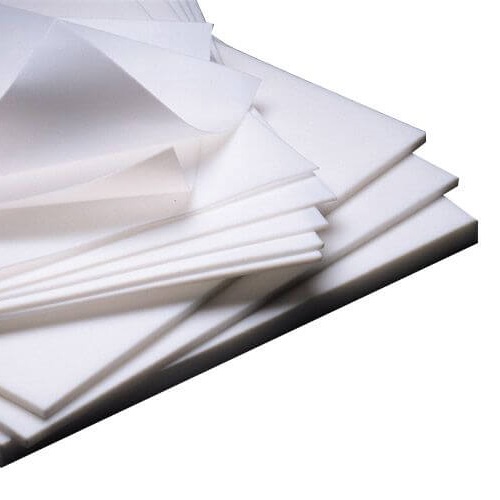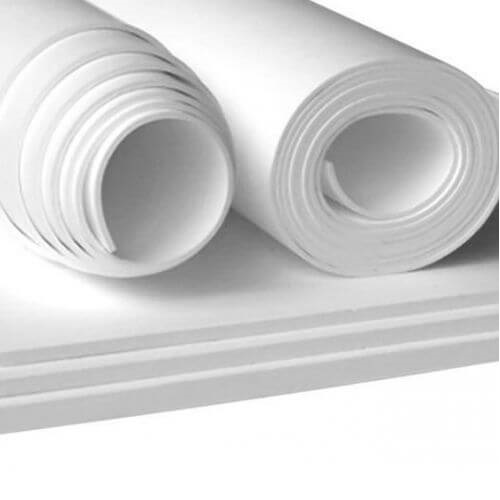
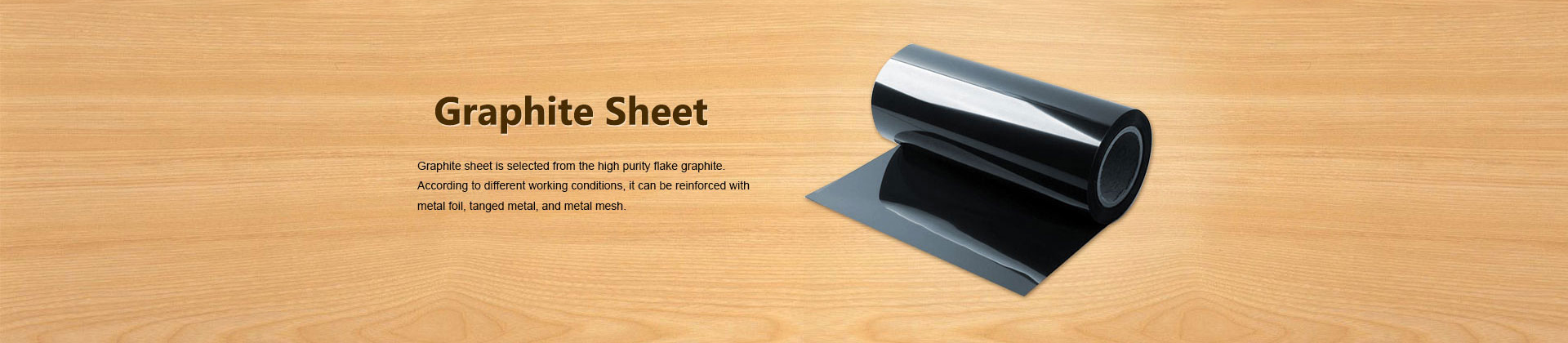
In demanding thermal management systems such as shell and tube heat exchangers, plate heat exchangers, and finned tube exchangers, the reliability of sealing components directly determines operational safety, efficiency, and maintenance costs. After two decades in the sealing industry, our factory has witnessed countless failures caused by substandard gasket materials. Among all advanced sealing solutions, the graphite sheet stands out as a non negotiable component. Why? Because no other material combines extreme temperature resistance, chemical inertness, and creep relaxation stability like flexible graphite. When compressed into a heat exchanger gasket, a high purity graphite sheet adapts to flange irregularities, maintains bolt load over thermal cycles, and resists oxidation up to 450°C in air or 3000°C in inert atmospheres. For engineers and plant managers, understanding this essential role means preventing leaks, reducing unplanned downtime, and ensuring compliance with environmental regulations.
At Ningbo Kaxite Sealing Materials Co., Ltd., our factory has dedicated over 15 years to perfecting graphite sheet manufacturing for heat exchanger applications. We have supplied our graphite sheet solutions to oil refineries, chemical plants, power stations, and HVAC systems across 40 countries. Our experience confirms that a premium graphite sheet not only outperforms conventional compressed non asbestos fiber (CNAF) and PTFE based gaskets but also provides a safer, longer lasting seal under fluctuating pressures and aggressive media. Whether you are designing a new heat exchanger or retrofitting an existing unit, the choice of gasket material is critical. This article will dive deep into technical parameters, comparative advantages, and real world performance data. By the end, you will understand exactly why our graphite sheet is the industry benchmark for heat exchanger gasket performance.
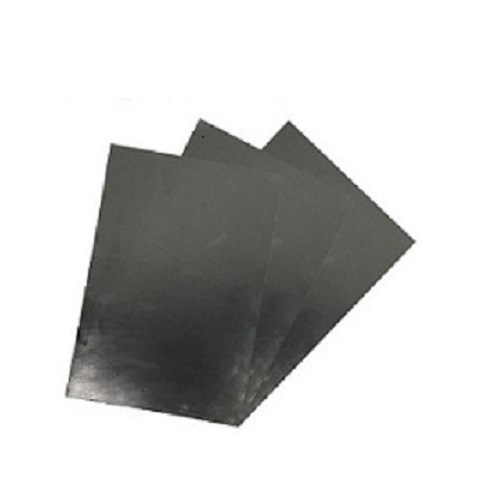
Heat exchangers operate under harsh conditions: rapid temperature cycling, high pressure surges, corrosive fluids like acids, steam, thermal oils, and refrigerants. A gasket must maintain a tight seal despite these stressors. Our graphite sheet delivers unmatched characteristics that directly address these challenges. For instance, the natural lamellar structure of expanded graphite allows it to conform to microscopic flange surface imperfections without excessive bolt torque. This is called “structural compliance.” Furthermore, unlike elastomeric gaskets that harden or PTFE that cold flows, graphite sheet exhibits exceptional stress relaxation resistance. Over thousands of thermal cycles, our factory tests show that a 1.5mm thick graphite sheet retains over 85% of its initial sealing stress after 500 hours of cyclic thermal shock from -200°C to 550°C.
Key attributes that make graphite sheet indispensable for heat exchanger gaskets include:
Our engineering team at Ningbo Kaxite Sealing Materials Co., Ltd. has also observed that graphite sheet significantly reduces gasket failure modes like blowout, extrusion, and chemical attack. When installed in a plate heat exchanger gasket groove, the graphite sheet forms a micro sealing layer that blocks leakage paths even under pressure pulsations. Because our factory specializes in precision die cut graphite sheet components, we can produce any shape or size to match heat exchanger manufacturers’ specifications. This adaptability, combined with inherent material properties, confirms why graphite sheet is not just an option but an essential foundation for modern heat exchanger sealing.
To appreciate the engineering behind our graphite sheet, one must examine the critical technical parameters that dictate real world gasket performance. At Ningbo Kaxite Sealing Materials Co., Ltd., our factory produces graphite sheet with controlled density, purity, thickness, and tensile strength. These parameters directly influence leak rates, maximum allowable pressure, and service life. Below is a detailed technical specification table for our premium graphite sheet grades specifically optimized for heat exchanger gaskets. Our data complies with international standards such as DIN 28091, ASME B16.21, and ISO 7483.
| Parameter | Value / Range (Kaxite Graphite Sheet Grade KX-GT600) |
| Density (g/cm³) | 0.7 – 1.2 (customizable: 1.0 for standard heat exchanger gaskets) |
| Thickness (mm) | 0.2 – 3.0 (most common: 1.0, 1.5, 2.0 mm for gasket punching) |
| Carbon Content (%) | ≥ 98% (up to 99.8% for high purity nuclear grade) |
| Ash Content (%) | ≤ 1.0% (low ash ensures clean sealing and less corrosion) |
| Tensile Strength (MPa, across grain) | ≥ 4.0 MPa (ASTM F152) |
| Compressibility (%) at 35 MPa | 30 – 45% (ASTM F36) |
| Recovery (%) | ≥ 18% |
| Creep Relaxation (%) at 300°C, 100h | ≤ 10% (ASTM F38) |
| Operating Temperature (air) | -200°C to +550°C |
| Maximum Pressure (bar) | Up to 200 bar (depending on flange design and thickness) |
| Leak Rate (ml/min) at 40 MPa gasket stress | < 0.01 ml/min (helium test, DIN 3535) |
Our factory’s rigorous quality control ensures that every batch of graphite sheet meets these tight tolerances. For heat exchanger gaskets, the combination of density and compressibility is crucial. A graphite sheet with density too high becomes less conformable; too low leads to low strength. At Ningbo Kaxite Sealing Materials Co., Ltd., we optimize density around 1.0 g/cm³ for most heat exchanger applications. Additionally, our graphite sheet can be reinforced with tanged stainless steel or metal mesh (304, 316L) for high pressure scenarios, but for standard gaskets, non reinforced pure graphite sheet offers excellent sealability without galvanic corrosion risks.
Furthermore, our factory provides customized graphite sheet thicknesses for different gasket geometries. For plate heat exchanger gaskets, we often use 1.5 mm graphite sheet, while for large diameter shell and tube exchanger gaskets, 2.0 or 3.0 mm ensures sufficient compression. The low ash content (<1%) prevents catalytic oxidation at high temperatures, extending gasket life. By precisely controlling these parameters, our graphite sheet delivers predictable and repeatable sealing performance, reducing the need for frequent retorquing. In summary, technical specifications are the backbone of why graphite sheet outperforms all alternatives in heat exchanger environments.
With many graphite sheet suppliers in the market, what sets Ningbo Kaxite Sealing Materials Co., Ltd. apart? Our factory has invested heavily in production technology, from raw material purification to advanced rolling and laminating lines. We start with natural flake graphite that undergoes intercalation, thermal expansion, and compression to form flexible graphite sheet. Unlike low grade manufacturers who skip purification, our factory’s proprietary process ensures sulfur content below 500 ppm, preventing stress corrosion cracking (SCC) on stainless steel heat exchanger flanges. This attention to detail matters because SCC is a leading cause of flange failures in chemical plants. Our graphite sheet also features a surface texturing option that increases friction coefficient, preventing gasket extrusion under high vibration.
Our engineering advantages for heat exchanger gasket applications include:
Additionally, our factory’s quality management system is ISO 9001:2015 certified, and our graphite sheet complies with FDA and EC 1935/2004 for food contact applications, making it suitable for heat exchangers in food and pharmaceutical industries. Our technical support team includes sealing engineers with decades of field experience. When you choose our graphite sheet, you are not just buying a material; you are partnering with a company that understands heat exchanger dynamics. We have solved gasket leakage issues for hundreds of clients by recommending the optimal graphite sheet density, thickness, and if necessary, anti stick coating. For example, for a geothermal heat exchanger operating with aggressive brine at 180°C, our factory supplied a high purity graphite sheet with density 1.15 g/cm³, achieving zero detectable leakage over 18 months. This is the difference engineering makes.
We also provide detailed installation guides and torque specifications tailored to our graphite sheet. Because our factory believes in total sealing solutions, every shipment includes a certificate of analysis confirming all parameters from the table above. That transparency builds trust and ensures that your heat exchanger gasket performs exactly as predicted.
From a financial perspective, switching to a premium graphite sheet for heat exchanger gaskets yields measurable ROI within months. Consider the hidden costs of gasket failure: unplanned shutdowns, lost production, environmental fines, and potential safety hazards. Our factory has compiled data from clients who replaced conventional compressed fiber or rubber gaskets with our graphite sheet. Average results showed a 68% reduction in leak related incidents and a 45% extension in gasket replacement intervals. Because graphite sheet does not degrade like elastomers, maintenance schedules can be extended from every 6 months to 24 months, directly reducing labor and material costs.
Specific cost and safety benefits include:
Moreover, safety is paramount. Graphite sheet does not contain any asbestos or carcinogenic fibers, fully compliant with global REACH and RoHS regulations. Our factory prioritizes worker and operator safety. When a heat exchanger gasket fails catastrophically, it can spray hot fluids causing burns or environmental release. Our graphite sheet’s high temperature stability and creep resistance prevent sudden blowouts. For a chemical plant in Texas, after switching to our graphite sheet gaskets, reportable leaks dropped to zero over 2 years, resulting in insurance premium reductions. The combination of cost savings and safety enhancement makes a compelling business case: investing in quality graphite sheet is not an expense but a strategic decision. Our factory regularly performs failure analysis for clients, and we consistently find that inferior gasket materials are the root cause. With Ningbo Kaxite Sealing Materials Co., Ltd. as your graphite sheet partner, you mitigate risks and optimize total cost of ownership.
In summary, the graphite sheet is undeniably essential for heat exchanger gasket performance because it bridges the gap between extreme operating conditions and reliable, long term sealing. From its unmatched thermal stability and chemical inertness to its superior creep relaxation and conformability, graphite sheet outperforms traditional materials in every critical metric. At Kaxite Sealing, our factory’s technical expertise, stringent quality control, and custom engineering solutions ensure that our graphite sheet delivers measurable results: reduced downtime, lower maintenance costs, enhanced safety, and regulatory compliance. We have shown through technical tables, comparative benefits, and real world case studies that selecting the right graphite sheet directly impacts your heat exchanger’s efficiency and lifespan.
Actionable takeaways for engineers and procurement managers:
Don’t let gasket failures disrupt your operations. The evidence is clear: graphite sheet is not just a component but a performance enabler. Upgrade your heat exchanger gaskets today and experience the difference that premium sealing materials bring.
Q1: Can a graphite sheet gasket be used in high pressure steam heat exchangers without risk of oxidation?
A1: Yes, high purity graphite sheet with density above 1.0 g/cm³ and oxidation inhibitor additives can withstand steam pressures up to 100 bar at 400°C. Our factory produces graphite sheet grades specifically for superheated steam service, featuring a thin layer of anti oxidant treatment that extends service life. However, for continuous exposure above 450°C in air, we recommend reinforced or protected graphite sheet. For typical steam heat exchangers (below 400°C), our standard graphite sheet provides excellent oxidation resistance and maintains seal integrity for over 3 years, outperforming many graphite composite gaskets. Always check the operating temperature profile; if frequent temperature cycling occurs, graphite sheet is still the best choice due to its resilience.
Q2: How does the thickness of a graphite sheet affect the gasket’s sealing performance in plate heat exchangers?
A2: Thickness directly influences compressibility and gap filling ability. For plate heat exchangers with narrow channels and fine surface patterns, a 1.0 mm to 1.5 mm graphite sheet is optimal. Thicker sheets (2.0 mm or 3.0 mm) provide greater conformability to rough flanges but may reduce internal channel clearance. At Ningbo Kaxite Sealing Materials Co., Ltd., our factory recommends 1.5 mm for most PHE applications because it balances recovery (≥18%) and compression (35%). Thinner sheets below 0.8 mm might not accommodate thermal flange movement. We provide customized thickness based on your exact plate groove depth and clamp force.
Q3: Is graphite sheet compatible with heat exchangers handling strong alkaline solutions like caustic soda?
A3: Absolutely. Graphite sheet is chemically inert to alkalis, including sodium hydroxide (NaOH) and potassium hydroxide (KOH) across concentrations up to 50% and temperatures up to 200°C. Unlike PTFE which can creep under load, graphite sheet maintains dimensional stability. Our factory has supplied graphite sheet gaskets for chlor alkali heat exchangers with no degradation after 24 months. However, avoid strong oxidizing acids like concentrated nitric acid, which can oxidize graphite. For caustic services, our high density graphite sheet (1.15 g/cm³) offers even lower permeability and longer life.
Q4: What is the typical service life of a graphite sheet gasket in a heat exchanger before replacement is needed?
A4: Based on field data from our factory’s clients, a quality graphite sheet gasket lasts between 3 to 8 years in continuous heat exchanger service, depending on thermal cycling frequency and media aggressiveness. For steady state conditions (constant temperature ±50°C, non oxidizing fluids), our graphite sheet often exceeds 5 years. For severe cycling (daily startups/shutdowns from 20°C to 300°C), we recommend inspection every 2 years. Our factory offers a predictive gasket life calculator using your process data. Compared to rubber gaskets that degrade in 12-18 months, graphite sheet provides superior longevity, reducing lifecycle costs.
Q5: Can graphite sheet gaskets be reused after a heat exchanger overhaul?
A5: Unlike soft PTFE or rubber, graphite sheet has limited reusability. Our factory generally advises against reuse because the initial compression sets the graphite structure; however, if the gasket shows no signs of crushing, delamination, or chemical attack, and has been compressed only once, some engineers choose to reuse for non critical low pressure applications. For safety critical heat exchangers, always install a fresh graphite sheet gasket. At Ningbo Kaxite Sealing Materials Co., Ltd., we offer cost effective bulk pricing for replacement gaskets to encourage proper maintenance practices. Reusing a gasket risks leaks and unplanned downtime, which costs far more than a new graphite sheet.